INNOVATIVE INDUSTRIAL VISION
FOR AUTOMATED QUALITY CONTROL
WHAT IS INDUSTRIAL VISION?
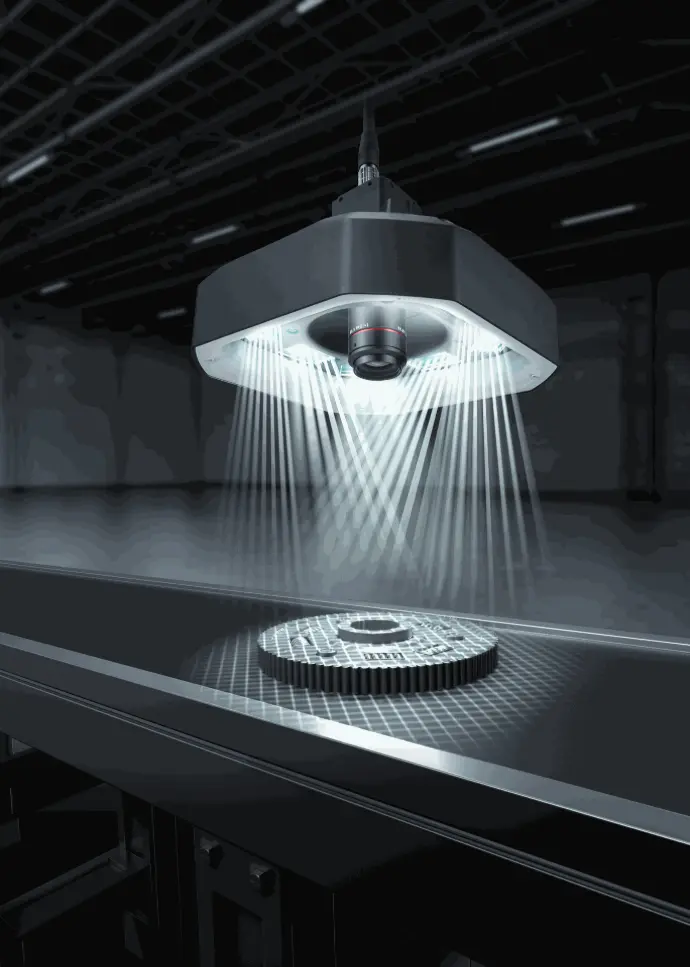
Industrial vision is at the heart of modern production processes, where the demands for quality and efficiency are becoming increasingly strict. It offers unmatched precision and speed for the inspection of objects and products.
In simple terms, industrial vision refers to the use of cameras, lighting, and image processing software to capture and analyze images within industrial processes. This technology enables machines to "see" and "understand" objects in their environment in order to make automatic decisions based on these observations. Whether it's to identify parts, measure their dimensions, or inspect finished products, industrial vision is an essential component of modern automated systems.
Thanks to industrial vision, companies can achieve levels of profitability that are impossible to obtain manually.
WHY CHOOSE MACHINE VISION INSPECTION?
In an industrial environment where quality control and measurement precision are essential, control by machine vision emerges as a solution to significantly reduce the risk of error, while adhering to strict standards and automating the verification processes.
THE KEY ADVANTAGES OF INDUSTRIAL VISION CONTROL
- Product quality improvement : Identification and correction of defects before shipping.
- Productivity gain : Real-time checks performed without interrupting production.
- Cost reduction : Less waste and a decrease in non-compliance related expenses.
- Traceability and compliance with standards : Data analysis to ensure regulatory compliance.
- Flexibility and adaptability : Integration into various industrial environments.
The automation of quality control also improves the productivity of operators, who can focus on higher value-added tasks. Whether for unit inspection at the production line, precise measurement, or 100% online analysis, industrial vision systems represent a strategic advancement for optimizing industrial performance.
THE IMPACT OF INDUSTRIAL VISION ON PRODUCTION PROCESSES
QUALITY CONTROL
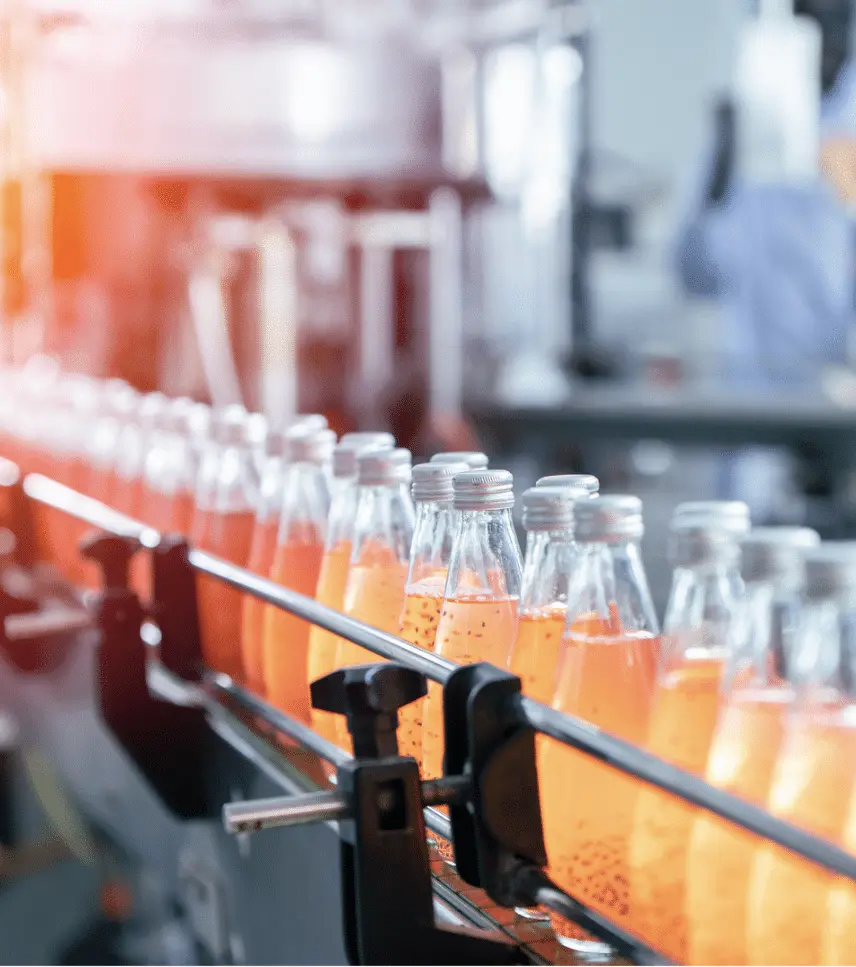
Industrial vision systems are capable of detecting minute defects in products with a speed and accuracy that the human eye could never match. For example, they can spot microscopic cracks on surfaces or tiny variations in colors, thereby ensuring that only products that meet specifications leave the production line..
PRODUCTION AUTOMATION
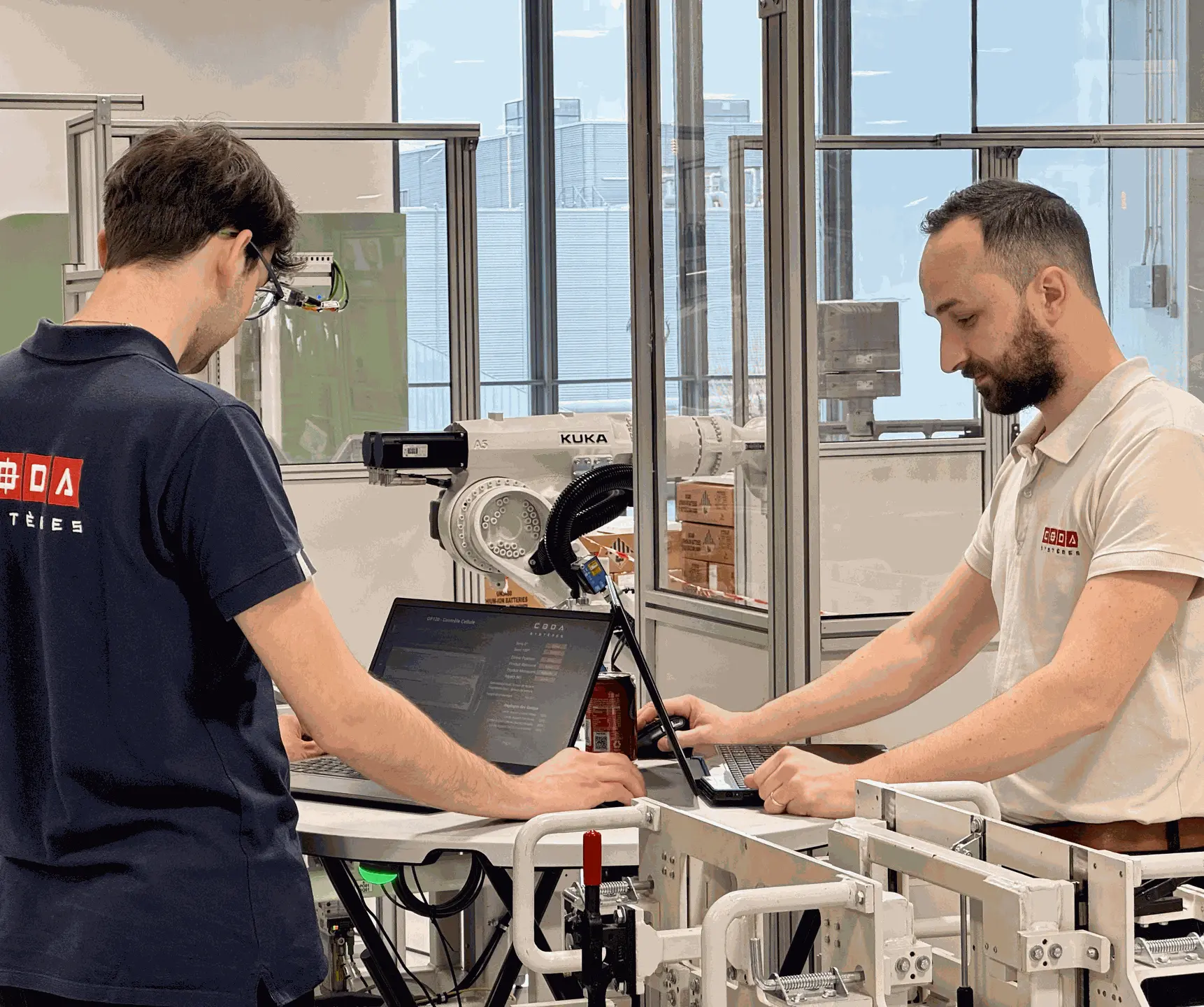
Industrial vision enables the automation of complex tasks such as sorting, assembly, and quality control of parts. The systems can read information such as 1D or 2D codes, guide robots, or sort objects based on their characteristics.
EFFICIENCYS’ IMPROVEMENT
Vision systems generate valuable data to optimize industrial processes. By analyzing this information, companies can identify opportunities to reduce waste, improve workflows, and increase productivity. The results obtained are repeatable and objective, thus avoiding errors due to human intervention.
APPLICATIONS OF INDUSTRIAL VISION CONTROL
Our solutions are used in various fields to ensure a high level of quality:
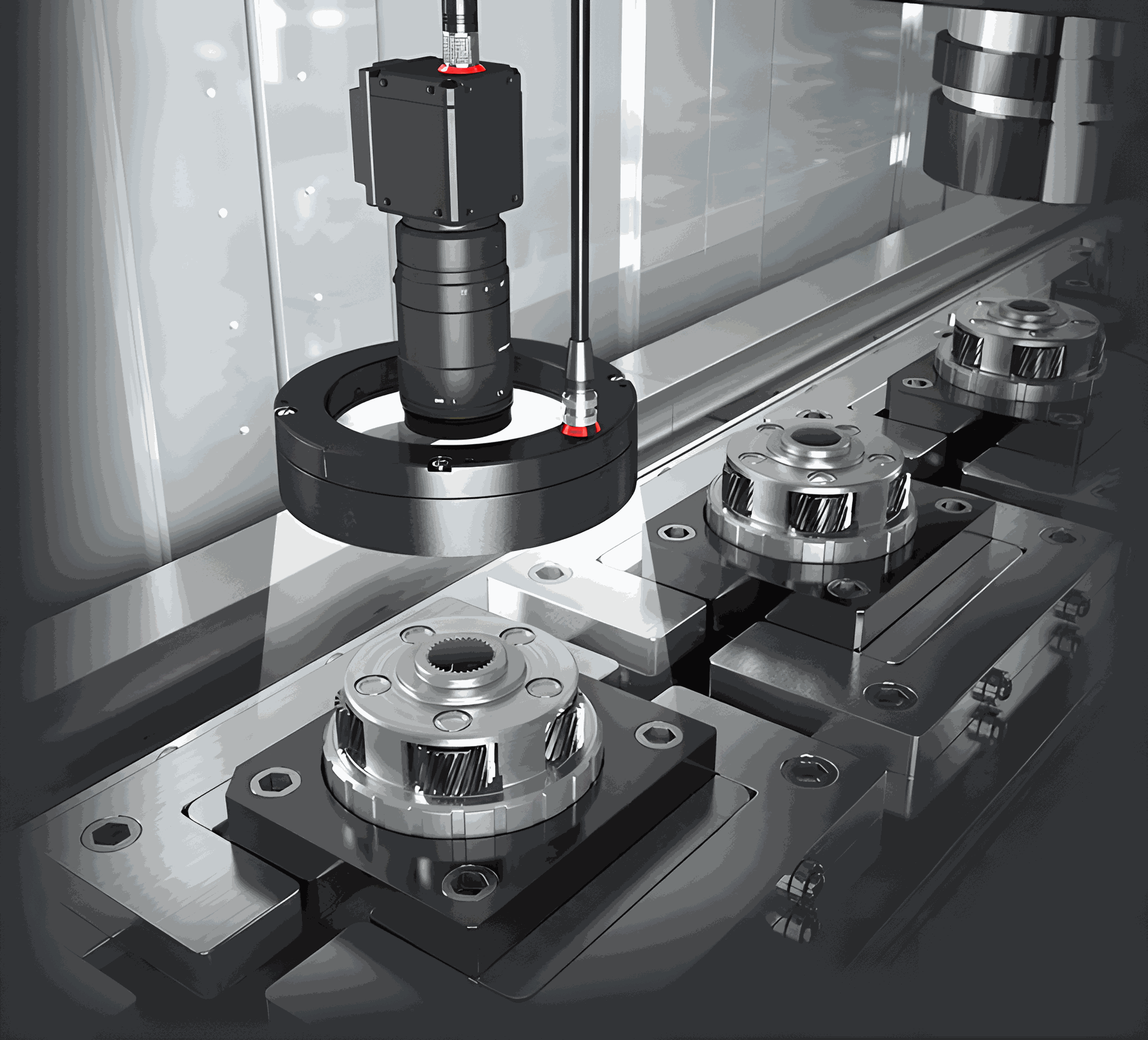
- Industrial vision inspection to detect defects and verify the conformity of parts.
- Industrial measurement to control manufacturing dimensions and tolerances.
- Reading and verification of barcodes to ensure the traceability of parts.
- Precise identification and assembly of components using vision-guided robotics.
AND ARTIFICIAL INTELLIGENCE?
This new tool brings real advancements in the field of control: it is still necessary to know in what context to use it. AI is not an end goal but an additional means that complements the toolbox of vision engineers. At CODA Systèmes, we ensure that the use of this tool is indeed aimed at improving the quality and/or stability of the control solution and not just a simple sales argument.
To learn more, check out this article on our blog :
FROM CLASSICAL ALGORITHMS TO NEURAL NETWORKS: THE EVOLUTION OF ARTIFICIAL INTELLIGENCE
A PROJECT ?
If you would like to share a project or need more information, our team is at your disposal.
CONTACT CODA